The Beginning of the Journey: The Early 20th-Century Wine Shop
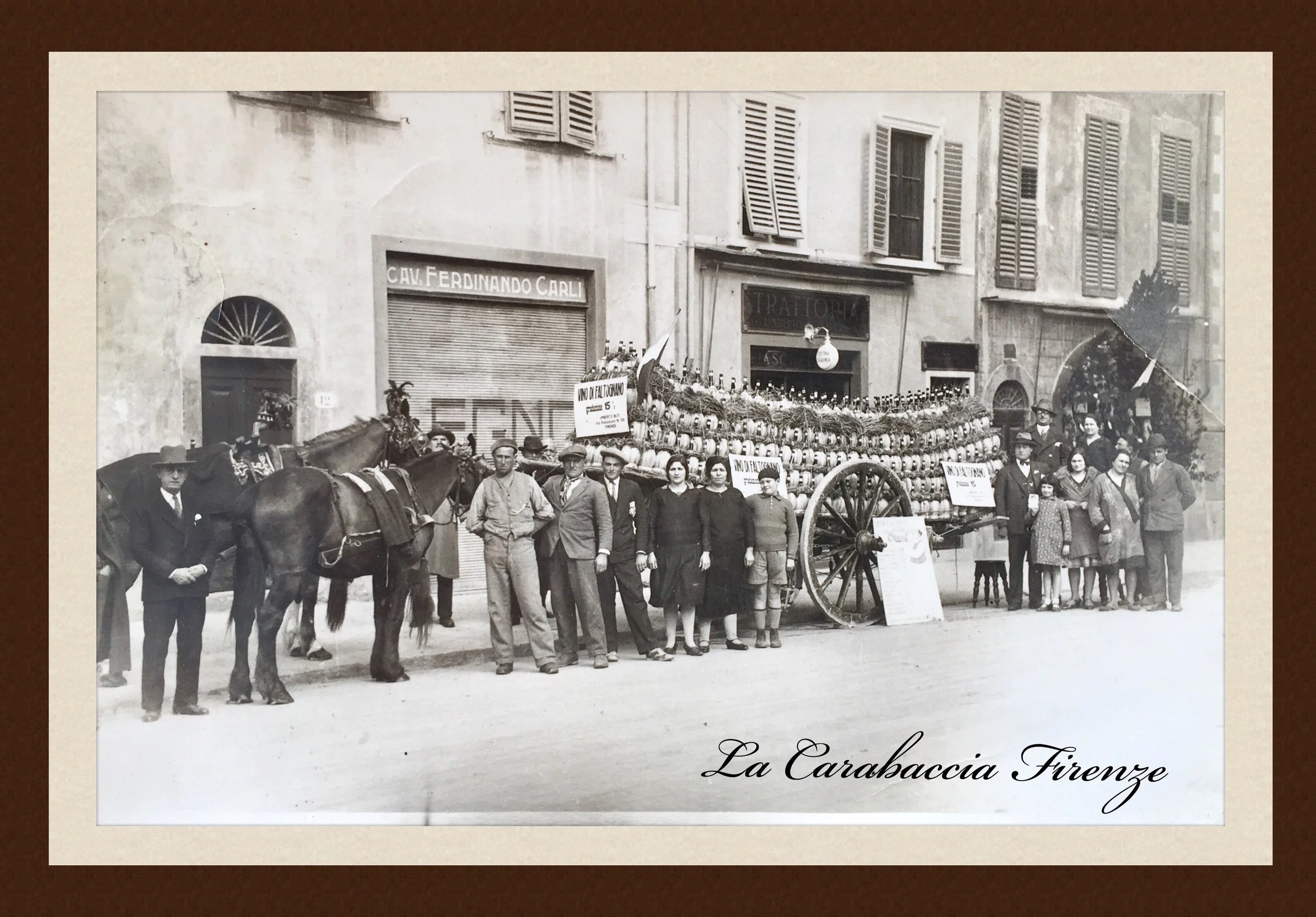
Our roots go back to the early 20th century, a time when Florence moved to the industrious rhythm of its artisans and the sand diggers of the Arno. Founded as a simple, welcoming wine shop just a few steps from the riverbank, our shop was a daily haven for workers. Amid the rich aromas of our counters, hospitality was expressed through simple gestures: an excellent glass of house wine, poured directly from the demijohns, accompanied by the genuine flavor of warm fettunte drizzled with fine olive oil and traditional Tuscan crostini. A convivial and authentic atmosphere that has forever shaped our approach to dining.
The Name and the Medici
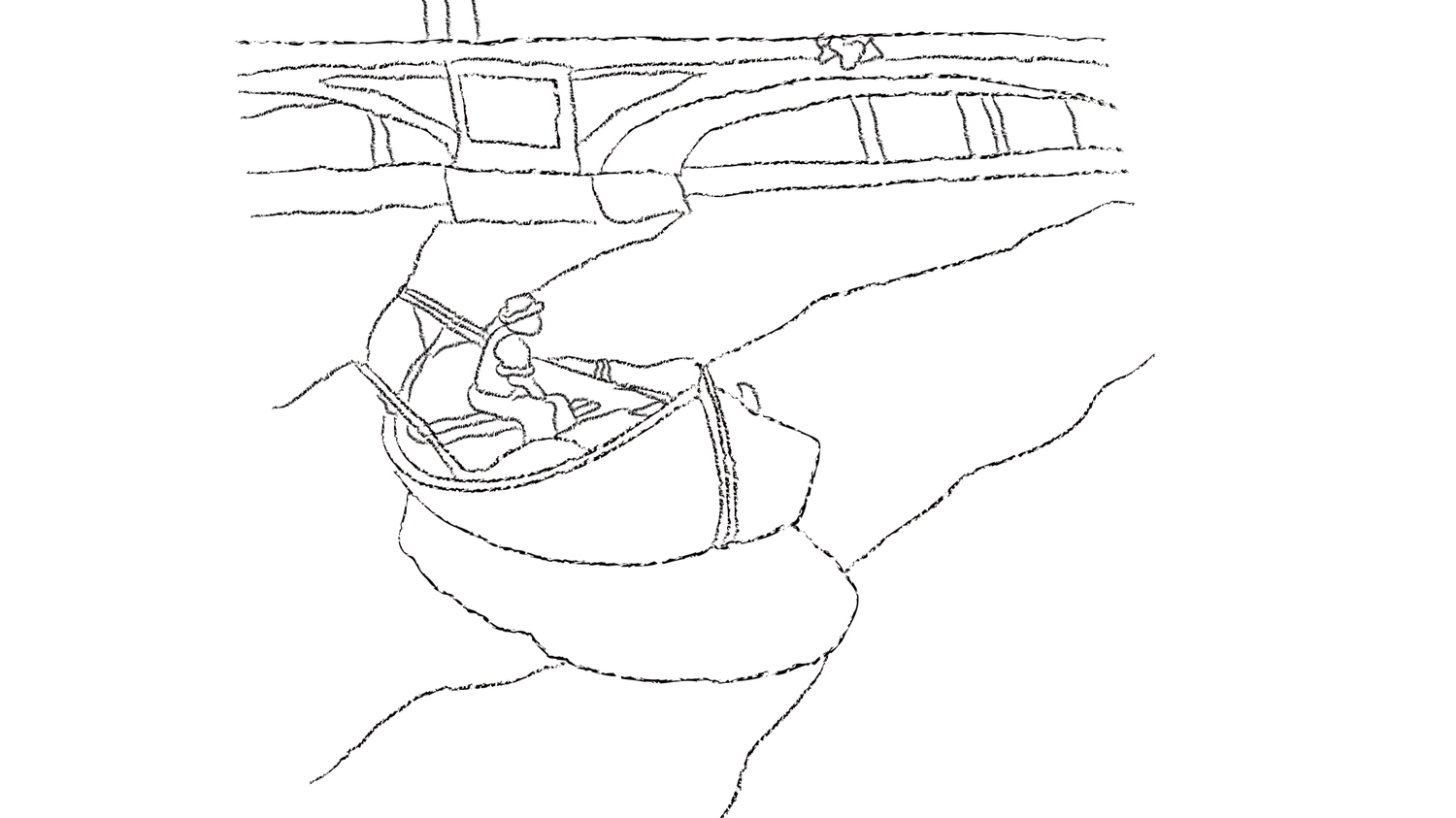
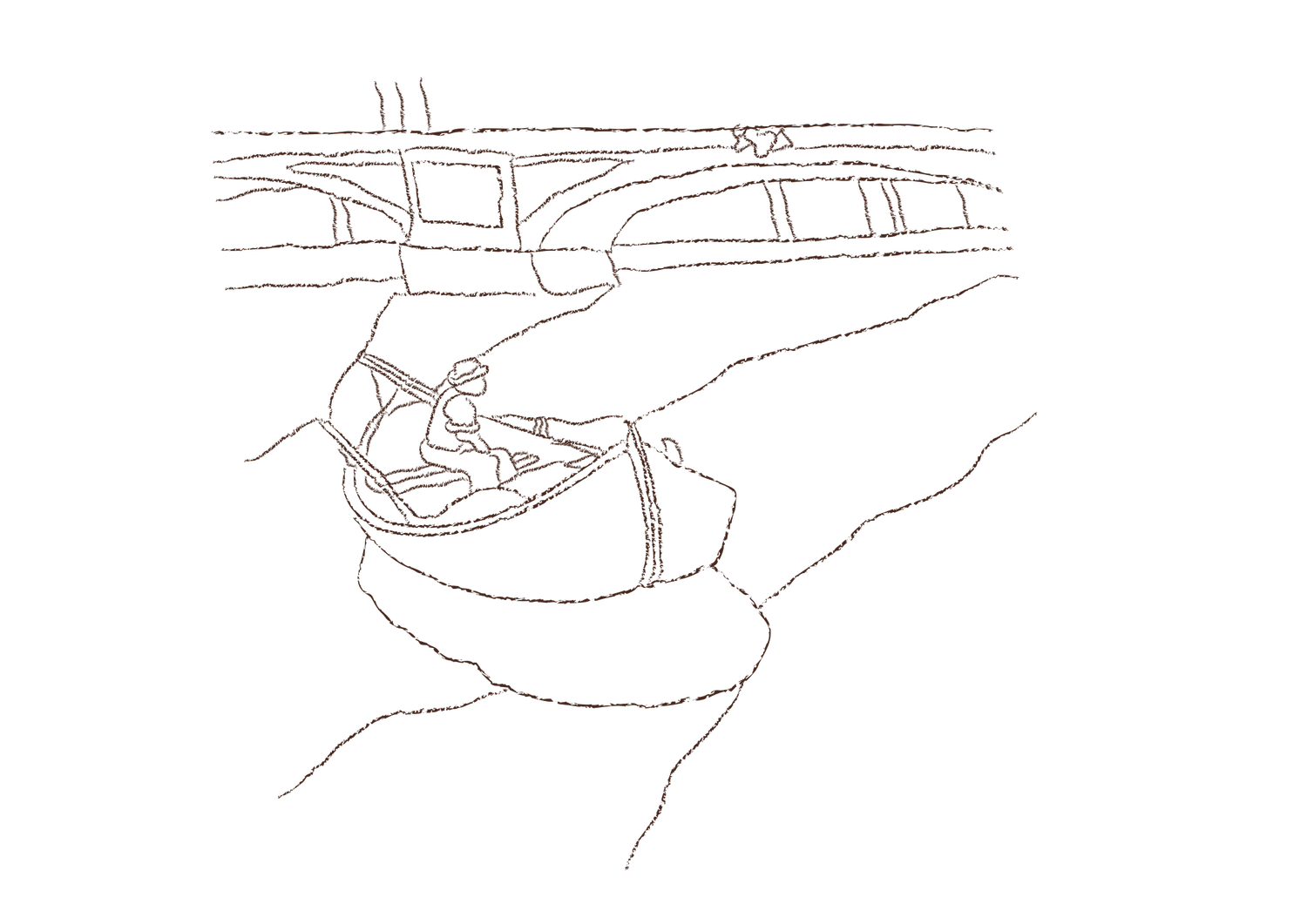
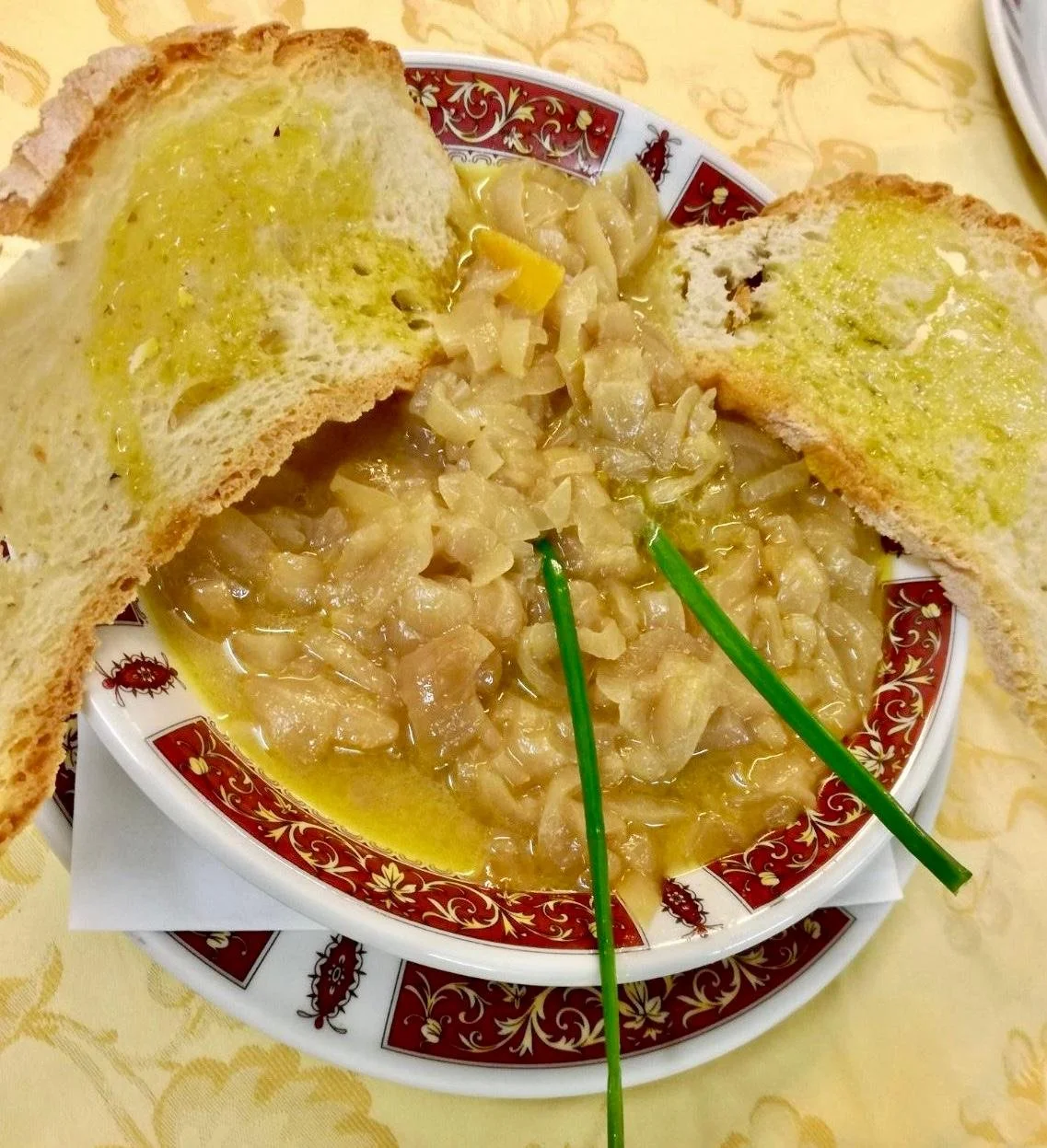
The year 1972 marked a major turning point: the restaurant evolved into a trattoria serving traditional cuisine, quickly winning international acclaim from travelers and food lovers alike. The name itself, La Carabaccia, embodies a dual and fascinating spirit: on one hand, it evokes the ancient boats that plied the Arno River laden with sand and salt; on the other, it pays homage to the famous onion soup of Renaissance origin, created in the historic kitchens of the Medici family, the rulers of Florence. Even today, this noble and velvety delicacy remains the signature dish and defining symbol of our menu.
The Present Day & Our Pizza
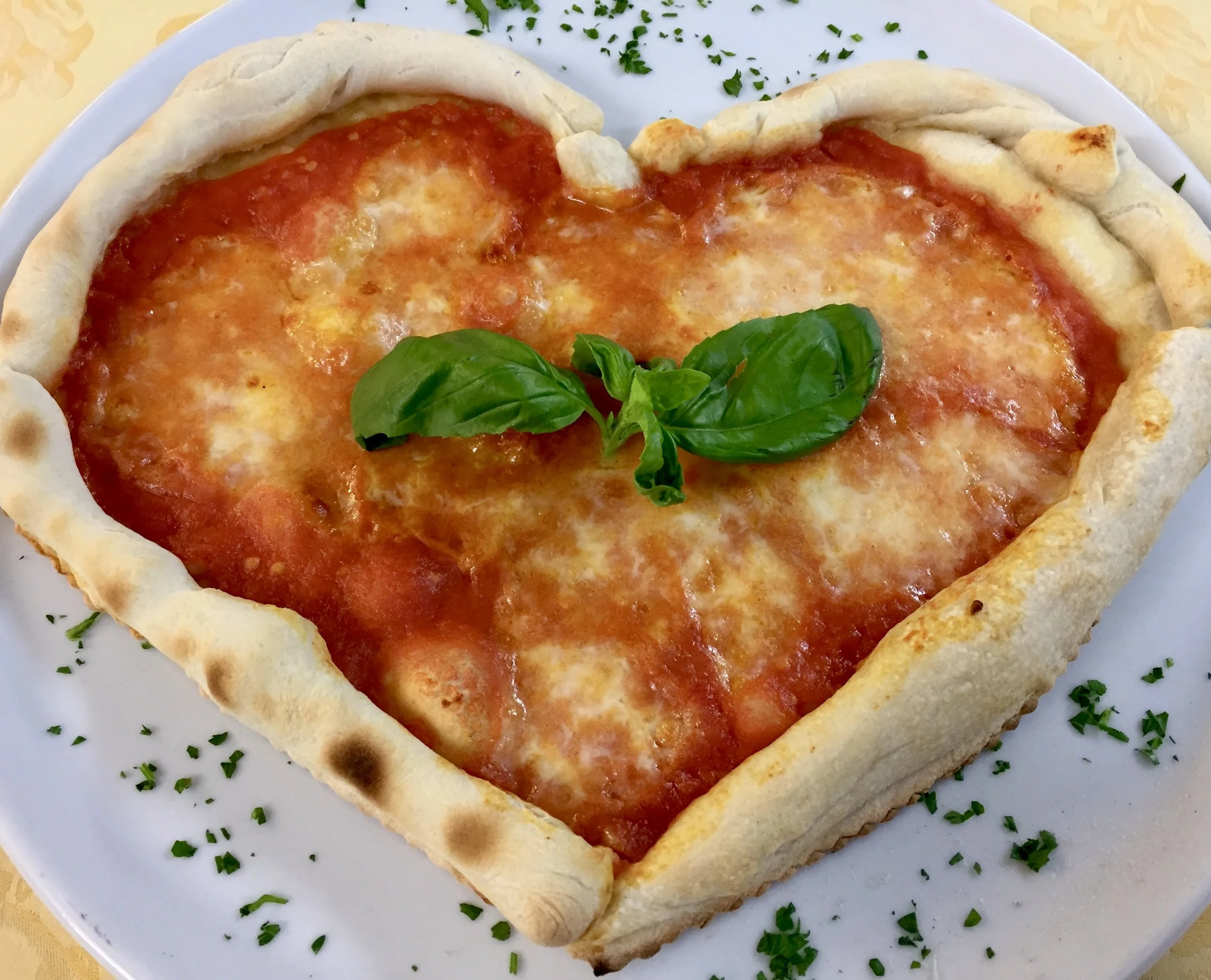
Since 2007, La Carabaccia has evolved into a larger, more structured restaurant, centered around a spacious 50-square-meter kitchen where the wisdom of the past meets skillful and well-judged contemporary innovation. The flavors of yesteryear have remained intact, but have been enriched by the grandeur of our professional charcoal grill, where the finest cuts of meat are transformed into the authentic Bistecca alla Fiorentina. Since 2018, to round out our dining experience, we’ve introduced traditional Tuscan-style pizza: thinly stretched, perfectly crispy, and easy to digest thanks to a slow, natural rise lasting about 72 hours before baking in a refractory stone oven. A timeless landmark for the city of Florence.